
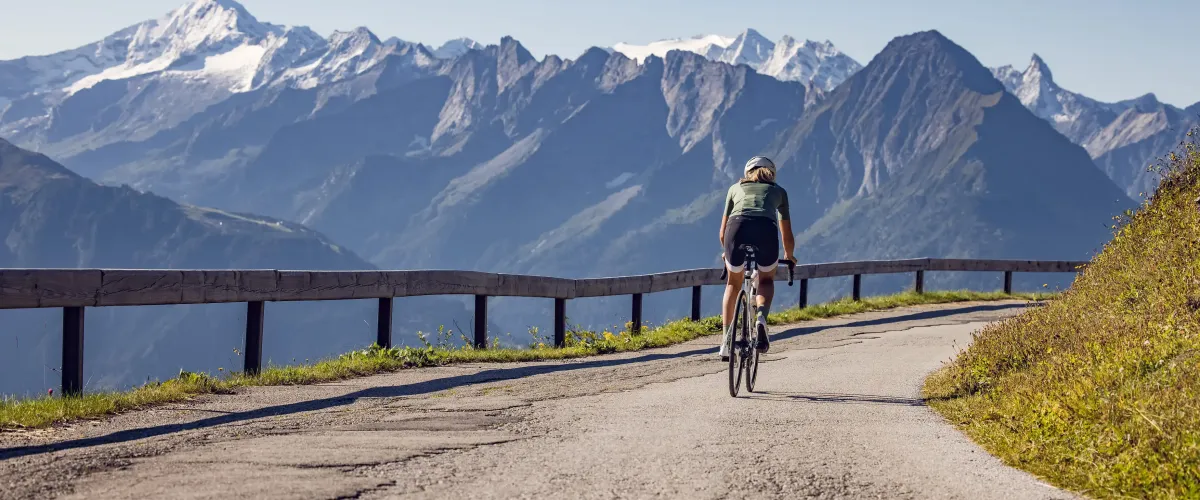
Anyone spending their holiday in the Zillertal Valley simply cannot miss one very special highlight: the Zillertal High Alpine Road. It is considered one of the most impressive alpine roads in all of Austria and offers a panorama that never fails to amaze even seasoned mountaineers. In this guide, we'll show you why this route is an absolute must for every visitor, what secrets the Melchboden holds, and how to plan your trip from Zell am Ziller perfectly.
The story behind the Zillertal High Alpine Road: More than just an Alpine road
Before the Zillertal High Alpine Road became one of the most popular destinations for excursions in the Zillertal valley, it served a purely practical purpose. Originally built in 1963, it was primarily intended for the management of the high-altitude alpine pastures and for...torrent control and the maintenance of avalanche barriers above the tree line. Only over the decades was the tourist potential of this route, which winds along the mountainside at dizzying heights, recognized. Today, the Zillertal High Alpine Road is a masterful example of alpine engineering. The route starts in the valley near Zell am Ziller. The path leads through forests, past alpine meadows, up to an altitude of around 2,020 meters. For the ecosystem of the Zillertals the Zillertal High Road remains of great importance, as it ensures access to the mountain farms that have been maintaining the alpine pastures for generations and thus preserving the landscape.
Choosing the ascent route: Many paths lead to summit bliss
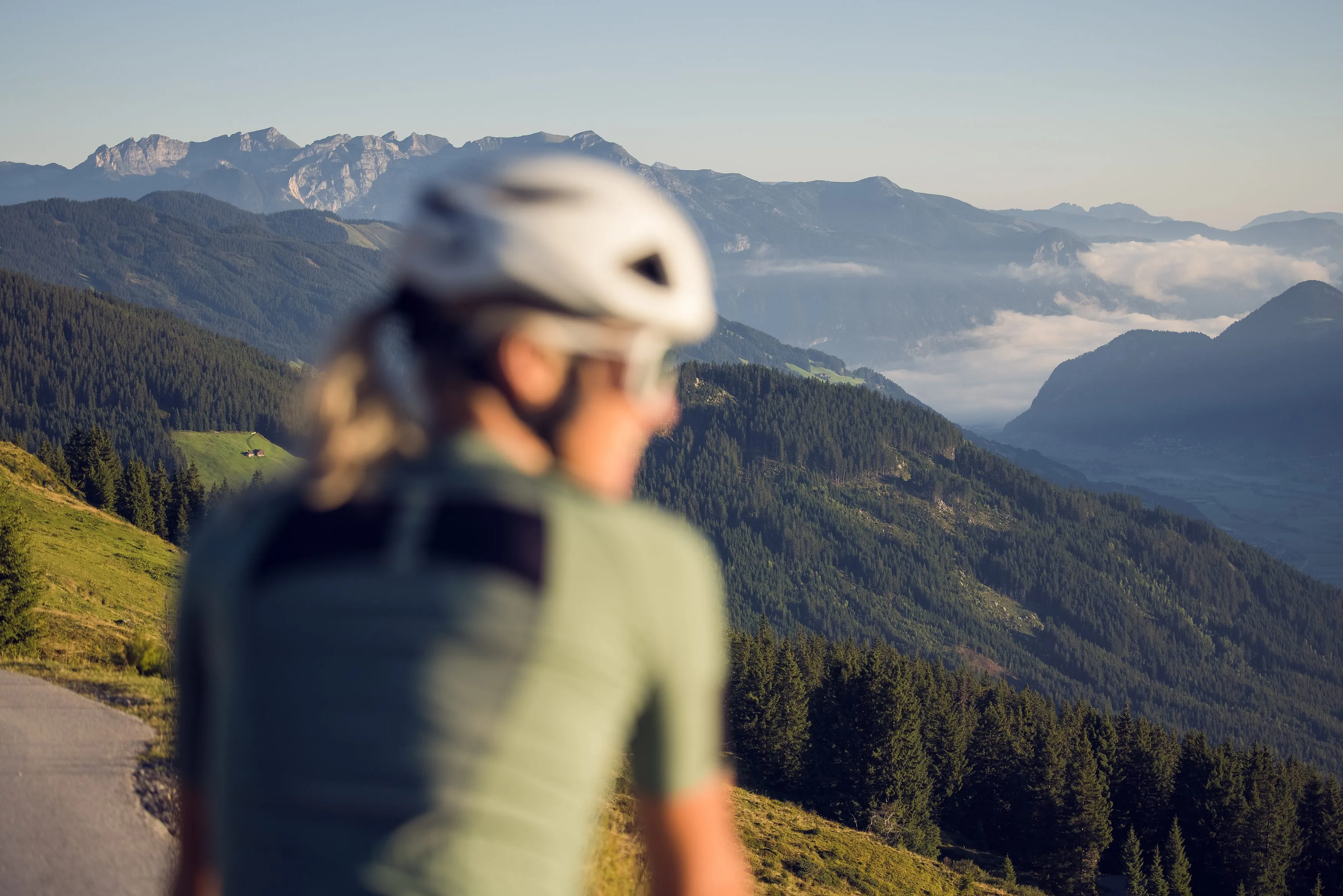
One of the Zillertal High Alpine Road's special features is its flexibility. There isn't just one way up, but a total of five different routes. Each route offers a different perspective of the region and has its own unique characteristics. The entire course, the Alpine road, stretches for about 50 kilometers. If you go directly into Zell am Ziller if you start, the ascent is via the Zellberg the logical choice. Zellberg offers a winding but well-maintained road that quickly takes you to dizzying heights. Alternatively, you can take the ascent via Hippach choose a route that is particularly popular with cyclists due to its steady incline. Visitors coming from the north part Coming from the valley, most people use the access points in Ried, Kaltenbach or Aschau each of these driveways but it ultimately leads you to the actual ridge road.
Important to know: The Zillertal High Alpine Road is subject to a toll, the revenue from which is invested in road maintenance to ensure safe travel in the future. Those who prefer to leave the driving to someone else and fully enjoy the views can also travel by coach. The public bus is a particularly stress-free alternative for visitors unfamiliar with alpine mountain passes.
Melchboden: The highlight of the route
Melchboden marks the highest point of the Zillertal High Alpine Road at 2,020 meters and is the centerpiece of the experience. If you get out of the car here...you climb,You immediately notice the temperature difference compared to the valley – the air is clearer and cooler. There's also a small chapel and a snack bar there. From Melchboden, you have a 360-degree view of the Zillertal Alps. In good weather, the view extends far beyond the Zillertal valley to the Inn valley and the Limestone Alps in the north. It's the perfect starting point for various excursions. Mountain hikes whether you're just taking a short stroll towards the Arbiskopf or planning a hike lasting several hours, the possibilities in this area are virtually limitless. The high point of the Zillertal High Alpine Road is also a paradise for paragliders, as ideal thermal conditions often prevail there.
Active in the mountains: hiking, biking and e-bike adventures
The Zillertal High Alpine Road is not just a scenic route, but also an alpine playground for active visitors and mountaineers. For many guests, the paved road isn't the final destination, but rather a comfortable way to ascend into the high alpine world. However, the combination of excellent technical infrastructure and the immediate proximity to unspoiled nature makes this place so unique for mountain sports enthusiasts. Hikers will find an extensive network of trails off the main road, offering a suitable route for every fitness level. A particularly recommended tour is the hike along the mountain ridge. Up here, far above the tree line, you can enjoy constantly changing views of the various regions of the Zillertal valley and feel the power of the mountains. The trail leads hikers to mountain huts such as the Kristallhütte or the Wedelhütte, which are not only known for their quality and cuisine, but also serve as important bases for longer mountain hikes. Those who prefer a more tranquil experience will find plenty of quiet spots along the way for a relaxing break. The view down to Mayrhofen or Zell makes the everyday worries in the valley virtually fade away.
The Zillertal High Alpine Road is legendary, even among cyclists. Conquering its enormous elevation gain on a regular or racing bike demands exceptional endurance and strength. It's no coincidence that this panoramic road was even a stage for the famous Giro d'Italia in 2017, when the professionals tackled its steep climbs. However, the landscape has changed in recent years: e-bikes have made this challenging area accessible to a wider audience. Thanks to modern electric assistance, recreational cyclists can now also master the steep ascents near Zell or Hippach. The bike tours up here are undoubtedly among the most scenic the Alps have to offer. Conveniently, many mountain inns now have their own charging stations, so you don't have to worry about battery range, even on extended tours.
Culinary delights: Where the snack tastes best
A Side tripA trip to the mountains is only perfect when the food is just right. Along the entireZillertal High Alpine RoadVisitors will find numerousBerggasthöfe and PublicThese mountain huts, often still family-owned, offer regional specialties. Whether it's a hearty Tyrolean Gröstl, handmade Kaspressknödel (cheese dumplings), or a sweet Kaiserschmarrn (shredded pancake): everything tastes twice as good in the alpine landscape. The hut owners always have a story to tell and are happy to give tips for further exploration.Courseyour journey. One case on a sunny terrace overlooking the glaciers of the Zillertal main ridge, there is a moment of absolute peace, something often missing in everyday life.everythingThose who want to try it can also take their time and hike from hut to hut – the so-called "hut hopping" is becoming increasingly popular.
Your stay at the Alpenhof: Central and welcoming
If you want to fully experience the Zillertal High Alpine Road, your choice of accommodation is crucial. Our family-run Alpenhof Hotel Garni Suprême in Zell am Ziller offers you the ideal connection. We see ourselves not just as a hotel, but as part of your family.holiday experience.The hotel offers the comfort you need after a long day in the mountains. After a day spent driving along the high-altitude road, hiking, or simply enjoying the views, you can relax and unwind with us. Zell am Ziller is the geographical heart of the valley, meaning that from our location you can easily reach not only the Zillertal High Alpine Road but also all the other highlights of the region. We know the best spot for the most beautiful sunsets and all the best photo locations inside and out, and we love sharing these experiences with our guests. At our hotel, we pay attention to every detail to make your stay unforgettable.
Frequently Asked Questions
When is the best time to drive the Zillertal High Alpine Road?
The ideal time to visit is between June and September. During these months, the road is usually completely snow-free, and all mountain inns are open. Since the road climbs to over 2,000 meters, it can be cool even in the height of summer. Those seeking absolute peace and quiet should choose the early morning hours when the rising sun bathes the peaks of the Zillertal Alps in a golden light. In the off-season (May and October), it's advisable to check in advance whether the toll booths are already open or still staffed.
Is the Zillertal High Alpine Road suitable for large vehicles such as coaches or motorhomes?
Yes, travel by coach or motorhome is possible, but only for coaches up to 10.5 meters in length. Drivers should be aware that the road is very narrow and winding in some places and requires skillful driving. For very large motorhomes, it is recommended to check for current restrictions before traveling via Zellberg, as the hairpin bends are sometimes tighter.
How high are the toll fees and where are they paid?
The toll is collected directly at the automatic toll booth.Checkout stationsor atMautpersonalat the respectivedriveways(Ried, Kaltenbach, Aschau, Zellberg, Hippach). Prices vary depending on vehicle type (motorcycle, car, bus). Currently, the prices are approximately €7 for motorcycles, €10 for cars, and €20 for minibuses (as of 2026, subject to change). The toll is an important contribution to maintaining the safety and quality of the panoramic road.
Is it possible to experience the Zillertal High Alpine Road without your own car?
Yes, the bus runs regularly up to Melchboden during the summer months. This is a particularly environmentally friendly and relaxed way to enjoy the panorama. Furthermore, the road is a paradise for e-bike riders and hikers.
What should one pay attention to regarding nature conservation and behavior in high mountain regions?
Since the Zillertal High Alpine Road leads through a sensitive ecosystem above the tree line, responsible behavior is always essential. Visitors should stay on the marked trails to protect the alpine flora and soil structure. As the road serves the purpose of managing the alpine pastures, you will often encounter grazing livestock – in this case, please keep a safe distance and remain quiet. To preserve the pristine Zillertal Alps, always take your trash with you. In this way, every visitor contributes to ensuring that the Zillertal High Alpine Road is preserved for future visitors and generations to come.