
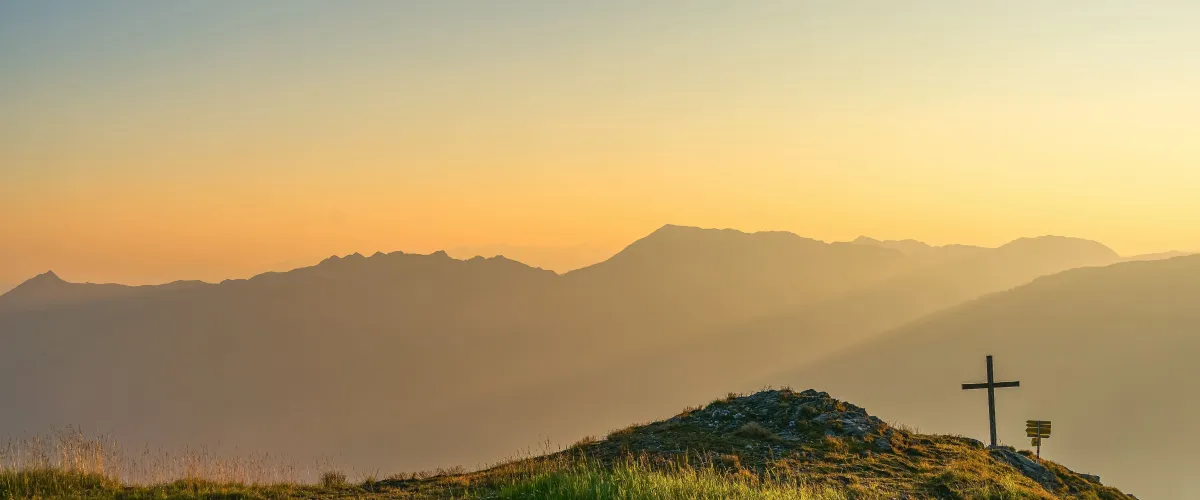
Those who want a hiking holiday in Zillertal when planning a hike, most people first think of elevation gain, steep trails, and a snack at a mountain hut. The region is rightly considered a first-class hiking paradise, but a challenging hike also places intense demands on the musculoskeletal system. Whether these demands lead to increased fitness and well-being or result in exhaustion is only revealed upon returning home.in the valley.The body's performance doesn't increase during the exertion on the mountain, but rather during the subsequent rest period. Understanding and utilizing the mechanisms of muscle regeneration allows you to get the most out of a hiking holiday. Zillertal Alps and the neighboring Tux Alps, the interplay between alpine activity and relief becomes the decisive factor for a sustainable recovery effect.
The physiology of downhill walking: What happens in the muscles
The ascent primarily challenges the cardiovascular system. However, the real test for the muscles comes during the descent. The constant braking of one's own body weight with every step downhill forces the thigh muscles to work at maximum capacity, requiring them to generate force while stretching. The muscle fibers are stretched under high load, causing tiny tears in the tissue that result in the so-called muscle soreness.
To quickly heal these microtraumas in the muscles„repair“and to lower muscle tone – that is, the tension state of the muscle – two factors are crucial:
- Thermal stimuli:Heat dilates blood vessels. A sauna session after exercise ensures that oxygen- and nutrient-rich blood reaches the strained legs more quickly, while metabolic waste products are removed more rapidly.
- Mechanical relief:Gentle movement in water relieves the body weight from the joints and loosens hardened muscles without creating new stimuli.
Hiking in the Zillertal: Routes for every level of difficulty
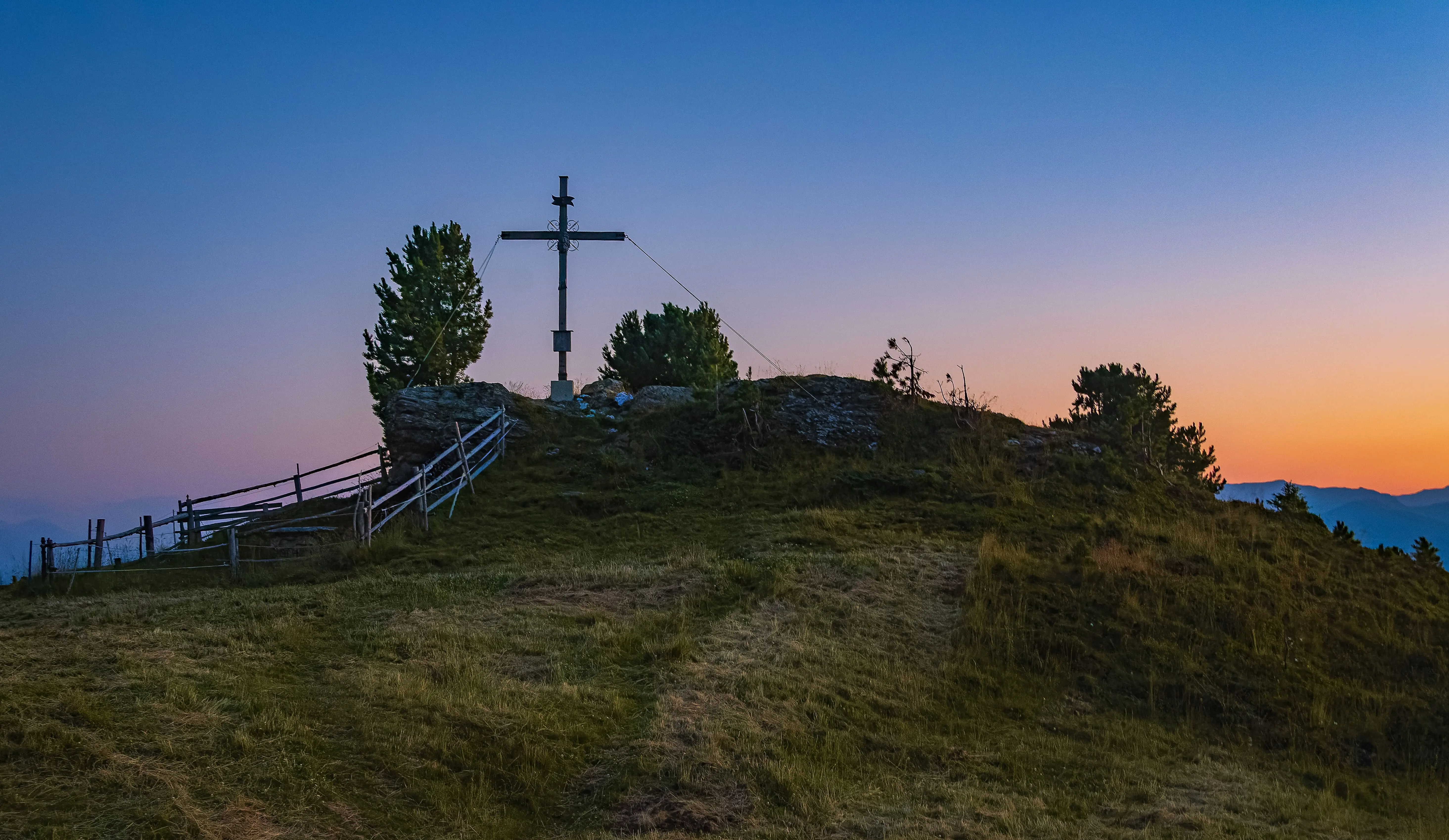
The region's geography allows for precise control of the athletic intensity. Zillertal offers an enormous variety of landscapes that blend seamlessly into one another. In the valley, flat paths along the Ziller River dominate, while further up, dense forests and expansive alpine meadows characterize the landscape. Those who want to go even higher will reach the alpine mountain world, where the terrain becomes rockier and more challenging, but also rewards them with sweeping views of the surrounding peaks. A central starting point for ambitious tours is theZillertal Alps High Mountain Nature Park, which preserves a rugged, unspoiled natural environment across 422 km². Those planning a challenging mountain tour here often find themselves in the shadow of three-thousand-meter peaks and have a direct view of the high-alpine glacier. For added safety, a local hiking guide, intimately familiar with the region's unique characteristics, is available upon request.
Those looking for a change from pure hiking can combine the tours with cycling: A Mountain bike, an e-bike on the steep forest tracks shortens the ascent to the alpine pastures, conserving valuable energy even on the climb. Those who prefer a flatter route can use the long riverside paths along the Ziller River for a run at their own pace. Everywhere you go in the clear mountain air, the scenery changes: one moment you're standing right next to the spray of a roaring waterfall, only to find a completely untouched natural landscape a few switchbacks further up. This variety provides the body with an intense training stimulus, while the mind can completely switch off during a hike or circular walk.

Regeneration in focus: The Alpenhof Hotel Garni Supreme
A successful active holiday depends entirely on the right infrastructure for the recovery phase after sports. In the centrally located Zell am Ziller our family-run hotel precisely this strategic retreat. The concept of the house is aimed at adult guests who are looking for a quiet base for their activities, away from classic family hotels, and who value regeneration.
After a long day at the Zillertal Arena or a challenging hike in the Zillertal Alps Nature Park, visitors to the Wellness area have the opportunity to immediately alleviate muscle soreness with gentle warmth and the weightless feeling in the water.
Practical tip after hiking: After returning to the Hotel it's worth going straight to the sauna or steam room. This stimulates blood circulation before the muscles stiffen after exertion. This not only provides noticeable relief in the legs but also gently ushers in the relaxing part of the afternoon.
Thanks to the hotel's location in the heart of the valley, neighboring towns like Fügen and Mayrhofen are easily accessible. Our hotel serves as an ideal starting point for exploring the entire network of trails in the Tyrolean Alps. You can begin your hikes in the morning without long journeys, enjoy the panoramic views from the mountain passes, and then focus entirely on relaxing your body and mind from the afternoon onwards. Such an experience ensures thatone recoversand returns from vacation without sore muscles.
Frequently Asked Questions
Why is wellness beneficial after a hike?
Walking on steep terrain causes micro-tears in the muscles.Heat applicationsSaunas or infrared saunas can help boost blood circulation. This maximizes the supply of nutrients to the tissues andMetabolic byproductsThey are transported away more quickly, which in turn shortens the recovery time.
When is the best time of year for a hiking holiday in the Zillertal?
The ideal time for a hiking holiday in the Zillertal Valley is between June and October, although the specific months vary depending on your desired level of activity. June and July are perfect for experiencing the full bloom on the alpine meadows and the cascading waterfalls after the snowmelt, while late summer in August and early autumn in September are ideal for more ambitious tours in the high alpine mountains and the high mountain nature park. During this period, the routes at higher elevations above 3,500 meters are also snow-free, the visibility is excellent thanks to the stable weather, and the mountain weather is at its most reliable.
What exactly does the Zillertal valley have to offer hikers?
The region boasts an enormous and diverse network of hiking trails, totaling approximately 1,400 kilometers in the Zillertal valley. The trails seamlessly cater to all fitness levels: leisurely hikers and beginners will find suitable routes throughout the valley and on the surrounding slopes.itThe plateaus offer a selection of over 740 easy trails. For more athletically inclined visitors, there are over 900 moderately difficult options available, leading across alpine meadows and along narrow ridges. Experienced mountaineers seeking a sporting challenge in rocky, high-alpine terrain can also test their fitness and sure-footedness on over 320 demanding routes.
What are the advantages of the location of the Alpenhof Hotel Garni Supreme in Zell am Ziller?
Zell am Ziller lies in the heart of the Zillertal valley. As a child-free hotel, it offers the peace and quiet needed for true relaxation. From here, visitors can quickly reach the access points to the Zillertal Arena ski area and the nature park. After a day of activities, guests can enjoy a modern wellness area.
Which routes in the Zillertal are suitable for beginners?
The flat ones are suitable for beginners.PromenadenwegeAlong the Ziller River in the valley floor or the well-maintained paths on the sunny plateaus. A popular starting point, for example, is the mountain station of the Rosenalm cable car in Zell am Ziller. From there, gently ascending paths like the Schmankerlweg (Gourmet Trail) lead to cozy alpine huts without requiring you to directly traverse steep scree slopes. The hike to the Grünalm or the moderate circular trails around the Gerlosstein also offer the opportunity to enjoy fresh alpine air and an impressive panorama, while the physical exertion remains minimal thanks to the low elevation changes and firm surfaces.